
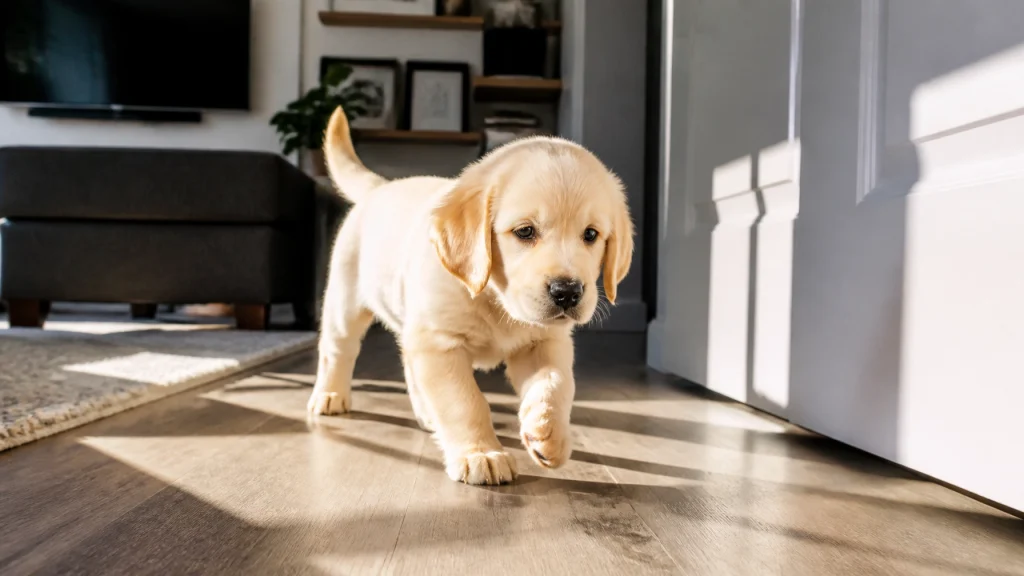
Introducing a new dog requires careful preparation, a “neutral ground” meeting if you have existing pets, and a slow, supervised transition into the home. By prioritizing a clean environment and a consistent routine, you can help your new best friend feel safe and secure from day one.
Welcome to the Pack: Why the First 48 Hours Matter
There’s nothing quite like the “new dog” feeling. Whether you’re bringing home a wiggly puppy or a soulful senior rescue, that first drive home is filled with excitement and, let’s be honest, a little bit of “what do I do now?” jitters.
Welcoming a new four-legged family member is a huge life event. It’s a transition that can be stressful for both the humans and the hounds. If things feel a little chaotic at first, don’t worry—that’s completely normal! The secret to a smooth transition isn’t magic; it’s all about preparation and patience. By taking a proactive approach to your dog’s arrival, you aren’t just preventing accidents or chewed-up shoes; you’re building a foundation of trust that will last a lifetime.
1. The Pre-Arrival Prep: Nesting for Dogs
Before your new pup even sets a paw inside, you need to “dog-proof” your world. Think of it like bringing home a toddler who can run 20 miles per hour and has a penchant for chewing on power cords.
- Inside the House: Scan your floors from a dog’s-eye view. Secure loose wires, move toxic houseplants (like lilies or sago palms) out of reach, and make sure all cleaning supplies are tucked away in high cabinets.
- The Safe Zone: Set up a dedicated “home base.” This could be a crate, a gated-off laundry room, or just a quiet corner with a plush bed and a fresh water bowl. This gives your dog a place to retreat when the “newness” of everything becomes a bit much.
- The Yard Check: This is one of the most overlooked steps! Your new dog is going to spend a lot of time sniffing every square inch of your yard. If you already have a dog, or if the previous owners did, there might be “biological landmines” waiting. Consistent dog poop removal helps create a healthier, more sanitary space for your new pup by reducing exposure to old bacteria, parasites, and lingering territorial scents from other dogs.

2. The Grand Arrival: One Step at a Time
When you finally pull into the driveway, the temptation is to let the dog loose and watch them zoom through the house. Resist that urge!
Instead, start in the yard. Take your dog directly to the spot where you want them to do their business. If they go, give them a quiet “good dog” and a treat. This immediately establishes the rules of the house.
When you go inside, keep the dog on a leash for the first “tour.” Let them sniff one room at a time. If they seem overwhelmed—tucking their tail or looking for a place to hide—slow down. There’s no rush to see the upstairs guest room on day one.
3. The Neutral Ground Introduction
If you already have a resident dog, do NOT introduce them inside the house. To your current dog, the house is their castle. A new dog walking through the front door can feel like an invasion.
- Meet in the Middle: Choose a quiet park or a neighbor’s sidewalk—somewhere neither dog feels territorial.
- The Parallel Walk: Have two people walk the dogs in the same direction, about 10–20 feet apart. This allows them to get used to each other’s presence without the pressure of a face-to-face confrontation.
- The Three-Second Rule: If both dogs seem relaxed (wagging tails, “wiggly” bodies), let them sniff for three seconds, then gently pull them apart and reward them with treats. Short, positive interactions are better than long, tense ones.

4. Setting the Routine
Dogs thrive on predictability. In a world where everything just changed, a schedule is their best friend.
Try to keep mealtimes, walks, and potty breaks at the same time every day. This helps lower their cortisol levels and makes house-training much easier. Remember the “3-3-3 Rule”:
- 3 Days: To decompress and feel safe.
- 3 Weeks: To learn your routine and show their true personality.
- 3 Months: To feel completely “at home” and bonded with you.
Data & Statistics: The Reality of Rehoming
It’s helpful to understand the scale and challenges of bringing pets home:
- According to the ASPCA, approximately 3.1 million dogs enter U.S. animal shelters every year.
- Research suggests that the first 72 hours are the most critical for a dog’s stress levels when moving to a new environment.
- A study by the University of Pennsylvania found that structured, gradual introductions between resident and new dogs significantly reduced the risk of long-term territorial aggression.
Expert Perspective: The “Quiet House” Rule
“One of the biggest mistakes new owners make is throwing a ‘Welcome Home’ party on the first night,” says Sarah J., a local canine behaviorist. “Your dog is in sensory overload. They don’t need to meet your aunt, your neighbor, and the delivery driver yet. Give them 48 hours of ‘The Quiet House.’ Lower the lights, keep the TV volume down, and just exist in the same space. It builds a sense of safety that no amount of fancy toys can replace.”
FAQ Section
Q: How long should I keep my new dog and old dog separated?
A: It depends on the dogs, but usually, 3–5 days of supervised, short interactions are best before leaving them alone. Use baby gates so they can see and smell each other without full contact.
Q: My new dog isn’t eating. Should I be worried?
A: It’s very common for dogs to skip a meal or two due to nerves. As long as they are drinking water and seem alert, they should regain their appetite within 24 hours.
Q: Should I let my new dog sleep in my bed the first night?
A: While tempting, it’s often better to have them sleep in a crate or a bed near you. This helps establish boundaries and prevents “resource guarding” of the furniture before they understand the house rules.
Q: How do I handle “accidents” in the house?
A: Never punish a dog for an accident. Simply clean it up with an enzymatic cleaner and take them outside immediately. A clean yard with regular dog poop removal can also make the outdoor potty area more appealing and sanitary for your new dog.

Conclusion: A Journey of a Thousand Tail Wags
Introducing a new dog is a marathon, not a sprint. There will be moments of pure joy (the first time they fall asleep on your feet!) and moments of frustration (the first time they find your favorite slippers). By taking it slow, preparing your home and yard, and sticking to a routine, you’re setting the stage for a wonderful life together.
One simple step that makes a big difference is staying on top of dog poop clean up. A clean yard helps lower your new pet’s exposure to harmful bacteria and parasites, supports better potty habits, and gives them a safer space to explore with confidence.
About the Author
Pet Scoop is a longtime pet care professional with decades of experience helping families maintain cleaner, healthier outdoor spaces for their dogs. As a lifelong dog lover, Pet Scoop writes about practical ways to support pet health, safety, and a smoother day-to-day routine for dog owners.
